
16th April 2026
New RPEEP Regulations: What They Mean For Fire Safety In Residential Buildings
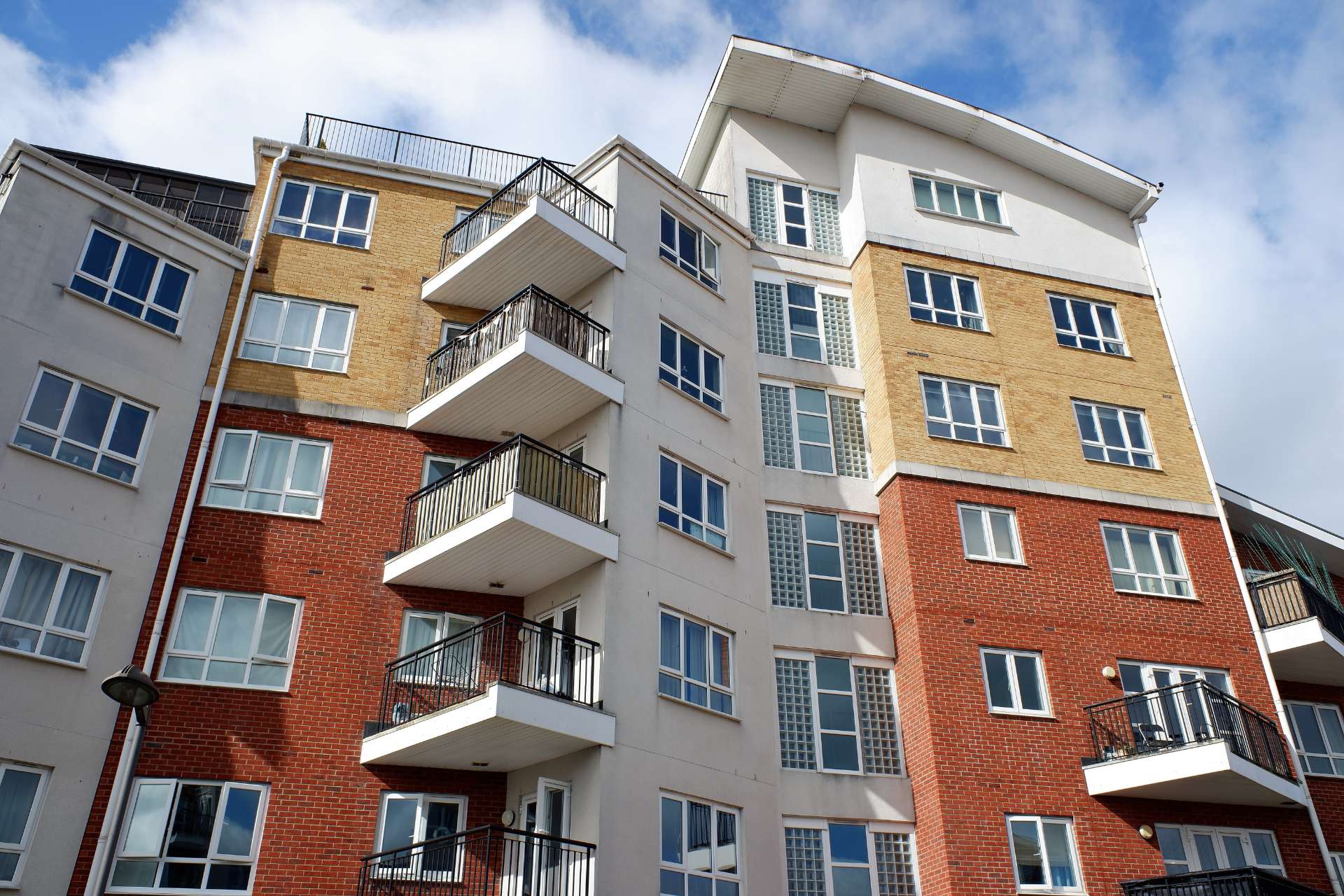
The Ministry of Housing, Communities and Local Government has now released its full guidance on Residential Personal Emergency Evacuation Plans (RPEEPs), with the new regulations having come into force on 6 April 2026.
These changes mark an important step forward in improving fire safety across residential buildings in England, particularly for residents who may not be able to evacuate independently during an emergency.
Why RPEEPs Matter
The core aim of the RPEEP regulations is to ensure that all residents, regardless of physical ability or health condition, have a clear and practical plan in place in the event of a fire.
For some individuals, evacuating a building quickly and safely can be challenging. This may include people with:
- Mobility impairments
- Visual or hearing impairments
- Cognitive conditions
RPEEPs are designed to address these challenges by creating tailored evacuation strategies that reflect each resident’s specific needs.
Which Buildings Are Affected?
The regulations apply to certain types of multi-residential buildings in England, specifically:
- High-rise residential buildings that are at least 18 metres tall or have seven or more storeys
- Multi-residential buildings over 11 metres in height that operate a simultaneous evacuation strategy
These criteria ensure that higher-risk buildings, where evacuation may be more complex, are prioritised.
Key Requirements Under The New Regulations
The RPEEP framework introduces several important responsibilities for building managers and responsible persons:
- Identifying Residents in Need of Support
Residents who may struggle to evacuate independently must be identified, ensuring no one is overlooked in emergency planning. - Person-Centred Fire Risk Assessments
Each identified resident should have a tailored assessment that considers their individual circumstances, risks, and needs. - Emergency Evacuation Statements
Clear, easy-to-understand guidance must be provided to residents, outlining exactly what they should do in the event of a fire. - Sharing Information with Fire and Rescue Services
Relevant information, including location and level of assistance required, must be made available to Fire and Rescue Authorities to support effective emergency response. - Ongoing Review and Updates
RPEEPs are not a one-time exercise. They require regular review to ensure they remain accurate and effective as residents’ needs or building conditions change.
A More Inclusive Approach To Fire Safety
Ultimately, the introduction of RPEEPs represents a shift toward more inclusive and proactive fire safety practices. By focusing on individual needs and clear communication, these regulations aim to reduce risk and improve outcomes during emergencies.
Now that the regulations are in force, building owners, managers, and safety professionals should ensure they are fully compliant and, more importantly, that all residents are effectively safeguarded.
Appoint Lighthouse As Your Health & Safety Competent Person
The competent person role does not have to be fulfilled internally within every company. You can, therefore, outsource the appointment to a contractor or consultancy with the necessary qualifications and experience.